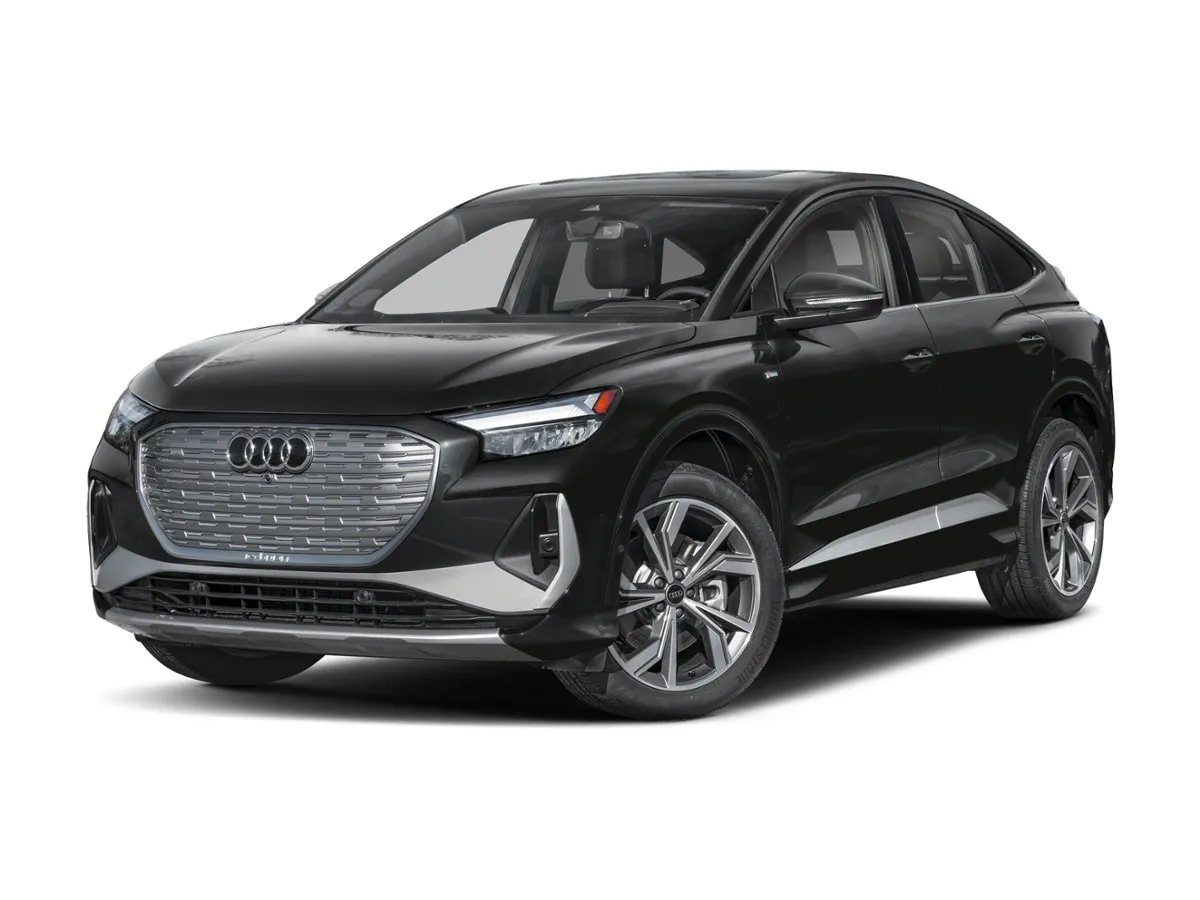
Are Electric Audis Good in Cold Weather? An Ohio EV Winter Driving Guide
Posted Friday, October 23, 2026
Are Electric Audis Good in Cold Weather? An Ohio EV Winter Driving Guide
Electric vehicles are becoming an increasingly important part of the luxury market, but Northeast Ohio shoppers often have questions that drivers in warmer climates may not consider as frequently. One of the biggest is: Are electric Audi vehicles good in cold weather?
Yes, an electric Audi can be driven during an Ohio winter, but cold temperatures can affect the way any EV uses energy. Battery temperature, cabin heating, driving speed, road conditions, tire selection, and charging habits can all influence winter efficiency and driving range. Understanding these factors before temperatures fall can make the transition to electric driving easier.
For EV shoppers in Middleburg Heights, Berea, Cleveland, Bedford, Akron, Cuyahoga Falls, and throughout Northeast Ohio, winter performance deserves careful consideration. Snow, freezing temperatures, slush, road salt, and unpredictable weather are normal parts of local driving.
At Audi Middleburg Heights, we believe drivers should understand both the benefits and practical considerations of EV ownership. If you're considering an electric Audi, here's what to know about cold-weather range, charging, traction, winter maintenance, and everyday driving.
Why Does Cold Weather Affect Electric Vehicle Range?
An electric vehicle stores energy in its high-voltage battery, and temperature can influence battery performance and overall energy consumption.
Cold weather can increase the amount of energy needed to operate the vehicle. Cabin heating is one factor. Unlike a conventional gasoline vehicle that can use waste heat produced by the engine, an EV must manage cabin heating through its electric systems.
Battery temperature management can also require energy.
The result is that drivers may notice lower available driving range during cold weather compared with milder conditions.
This doesn't mean the battery suddenly becomes defective or that the EV cannot function in winter. Seasonal range variation is part of understanding electric vehicle ownership.
Drivers should plan around real-world winter conditions rather than assuming the vehicle will deliver exactly the same range every day of the year.
How Much EV Range Do You Lose in Winter?
There is no single percentage that applies to every electric Audi or every winter drive.
Cold-weather range can be affected by multiple factors, including:
- Outside temperature
- Cabin heating
- Driving speed
- Trip length
- Road conditions
- Tire choice and pressure
- Battery temperature
- Driving behavior
A short trip on an extremely cold morning may create a different efficiency result from a longer drive after the vehicle and battery systems have been operating for some time.
Highway speeds can also influence energy consumption differently from lower-speed local driving.
Because conditions vary so much, shoppers should be cautious about any claim that an EV will always lose a specific percentage of range in winter.
Instead, build some flexibility into your charging routine when temperatures fall.
Can You Drive an Electric Audi in Snow?
Yes. An electric Audi can be driven in snowy conditions when the vehicle is appropriately equipped and the driver adjusts to the road conditions.
As with any vehicle, tires play a critical role.
An advanced electric drivetrain cannot create traction if the tires don't have adequate grip. Tread condition, tire type, inflation, and temperature all matter.
Some electric Audi configurations use all-wheel-drive systems that can provide additional traction capability. Because equipment varies by model and configuration, shoppers should confirm the drivetrain of the specific vehicle they're considering.
EVs also deliver power differently from traditional gasoline vehicles. Electric motors can respond quickly to accelerator input, making smooth driving particularly important when roads are slippery.
Does Audi quattro Work on Electric Vehicles?
Audi's approach to quattro has evolved alongside electric powertrains.
Traditional quattro systems and electric all-wheel-drive systems do not necessarily operate in exactly the same way. Electric motors allow manufacturers to manage power delivery differently than a conventional mechanical drivetrain.
For the driver, the goal remains familiar: provide confident performance and make effective use of available traction.
This can be useful during Northeast Ohio winters when road conditions may change during a single trip.
However, electric quattro capability should not create overconfidence.
Snow and ice still require lower speeds, longer following distances, smooth acceleration, and careful braking. Tires remain one of the most important factors affecting actual road grip.
Are Electric Audis Good for Cleveland Commuting in Winter?
For many drivers, commuting can be an excellent use case for an EV because the daily route is relatively predictable.
Suppose you live in Middleburg Heights or Berea and commute into Cleveland. If you can conveniently charge at home, you may begin each morning with the vehicle prepared for your normal daily travel.
That predictability can simplify EV ownership.
Longer-distance commuters from Akron or Cuyahoga Falls should think more carefully about their typical daily mileage, charging access, winter range variation, and unexpected detours.
The key isn't whether your commute is "too long" in general. It is whether the specific electric Audi you're considering provides enough usable range for your routine with an appropriate margin for winter conditions.
Your charging situation matters just as much as the vehicle.
Why Home Charging Can Be Important During Winter
For many EV owners, convenient home charging is one of the biggest advantages of electric ownership.
Instead of making a separate stop for fuel, drivers may be able to plug in after arriving home and begin the next day with the battery charged to an appropriate level for their needs.
This can be particularly convenient during winter because it reduces the need to make unnecessary stops in cold weather.
Before buying an EV, evaluate your home-charging situation.
Ask yourself whether you have:
- A practical place to park and charge
- Appropriate electrical access
- Permission to install charging equipment if needed
- A backup public-charging option
- Convenient charging near work or common destinations
Drivers who live in apartments or other properties without dedicated charging should investigate their options before purchasing rather than assuming charging will be easy to arrange later.
Does Preconditioning Help an EV in Winter?
Preconditioning can be particularly useful for electric vehicle owners during cold weather.
Depending on the vehicle and available features, preconditioning can allow the cabin and vehicle systems to begin preparing before you start your trip.
For a Northeast Ohio commuter, that can mean entering a more comfortable vehicle on a freezing morning.
When the EV is connected to external power, certain preconditioning strategies may also allow some energy needs to be supplied while plugged in rather than relying entirely on stored battery energy once the trip begins.
Owners should follow the instructions and available functions for their specific Audi because capabilities can vary by model and software.
Understanding these features before winter arrives can help you use the vehicle more effectively.
Do Electric Vehicles Need Winter Maintenance?
EVs eliminate some traditional maintenance associated with gasoline engines, but they are not maintenance-free.
An electric Audi still has many systems that require attention.
Tires are especially important because EVs can be relatively heavy and deliver immediate torque. Tire pressure, tread, wear patterns, and condition should be monitored.
Brakes still require inspection, even though regenerative braking may change how conventional friction brakes are used.
Other areas include suspension components, wipers, lighting, climate systems, and other vehicle-specific maintenance items.
Winter road salt and potholes affect electric and gasoline vehicles alike.
Owners should follow the maintenance information appropriate to their particular Audi EV rather than applying a gasoline-vehicle maintenance schedule.
What Happens to EV Charging During Very Cold Weather?
Cold temperatures can affect charging behavior as well as driving efficiency.
A cold battery may not accept energy in exactly the same way it does under ideal temperatures. Modern EVs use battery-management systems designed to manage battery conditions, but drivers may still notice seasonal differences in charging.
This is another reason trip planning matters.
If you're taking a longer winter trip, don't plan charging stops based entirely on your best summer driving results. Build additional flexibility into your route and consider weather, speed, cabin heating, and charging availability.
For everyday local driving, owners with reliable home charging may find winter planning much simpler because the vehicle returns to the same charging location regularly.
Should You Use Winter Tires on an Electric Audi?
Whether you need dedicated winter tires depends on your driving environment and priorities.
Some Northeast Ohio drivers may use suitable all-season tires, while others who regularly encounter snow, ice, or untreated roads may benefit from winter-specific tires.
Winter tires are designed for cold temperatures and winter road conditions.
This can be valuable regardless of whether your vehicle uses gasoline or electricity.
If you drive an electric Audi with all-wheel drive, remember that AWD primarily helps manage power delivery and traction. Tires still play a major role in braking and cornering.
Discuss tire options based on your specific vehicle and driving conditions rather than assuming one solution works for every Audi EV owner.
Are Electric Audis Practical for Ohio Road Trips?
They can be, but longer-distance EV travel requires more planning than a typical daily commute.
Charging infrastructure, weather, route, driving speed, and expected energy use all become more important when traveling beyond your normal charging area.
Winter adds another variable because cold temperatures can reduce efficiency.
Before leaving, identify charging options along your route and consider alternatives in case your preferred station is unavailable or your energy consumption differs from expectations.
This doesn't mean EV road trips need to be difficult. It means the charging stop becomes part of trip planning in the same way fuel stops have traditionally been part of gasoline-vehicle travel.
As charging infrastructure continues to evolve, drivers should rely on current information when planning longer journeys.
Is an Electric Audi Right for an Ohio Driver?
An electric Audi can make excellent sense for an Ohio driver when the vehicle fits the person's routine and charging situation.
EV ownership may be particularly attractive if you have reliable home charging, predictable daily mileage, and an interest in quiet electric performance and modern technology.
Drivers who frequently travel long distances through areas with limited charging may need to evaluate the decision more carefully.
Winter shouldn't automatically discourage you from considering an EV. Instead, it should be included in your planning.
Understanding seasonal range variation, charging options, tire needs, and winter-driving practices allows you to evaluate an electric Audi based on realistic Ohio conditions rather than idealized numbers.
Explore Electric Audi Vehicles at Audi Middleburg Heights
The best way to determine whether an electric Audi fits your lifestyle is to compare your actual driving routine with the vehicle's capabilities and available charging options.
Audi Middleburg Heights helps EV shoppers from Middleburg Heights, Berea, Cleveland, Bedford, Akron, Cuyahoga Falls, and surrounding Northeast Ohio communities explore electric Audi vehicles and understand the transition to EV ownership.
Browse our available Audi inventory and schedule a test drive to experience electric Audi performance firsthand. Already own an Audi EV? Schedule service with Audi Middleburg Heights for tire inspections, seasonal maintenance, and other vehicle care as Northeast Ohio winter approaches.
Frequently Asked Questions About Electric Audis in Cold Weather
Are electric Audi vehicles good in cold weather?
Yes. Electric Audi vehicles can be used during Ohio winters, although cold temperatures can affect energy consumption, driving range, and charging behavior.
Does an Audi EV lose range during winter?
Cold weather can reduce EV efficiency and available driving range. The amount varies based on temperature, heating use, speed, road conditions, driving behavior, and other factors.
Can an electric Audi drive in snow?
Yes. Appropriate tires, available all-wheel-drive capability, proper maintenance, and responsible winter-driving techniques can help prepare an electric Audi for snowy conditions.
Does electric Audi quattro help in snow?
Electric all-wheel-drive systems can help manage power delivery and available traction. They do not replace appropriate tires or careful driving on snow and ice.
Should I charge my Audi EV differently during winter?
Your charging routine may need to account for increased winter energy use and seasonal range changes. Follow Audi's guidance for your specific vehicle and plan additional charging flexibility when necessary.